Tucked into Tucson's Barrio Viejo sits a shrine unlike any other in the country. No saint. No church. Just a weathered adobe alcove, a bed of melted candle wax, and more than a century of whispered wishes. This is El Tiradito, the Castaway, and if you want to understand the Old Pueblo, this little shrine is the right place to start. This post is the research story; for the full visitor guide to the shrine, the ritual and the neighborhood, see our El Tiradito wishing shrine page.
The shrine the church never blessed
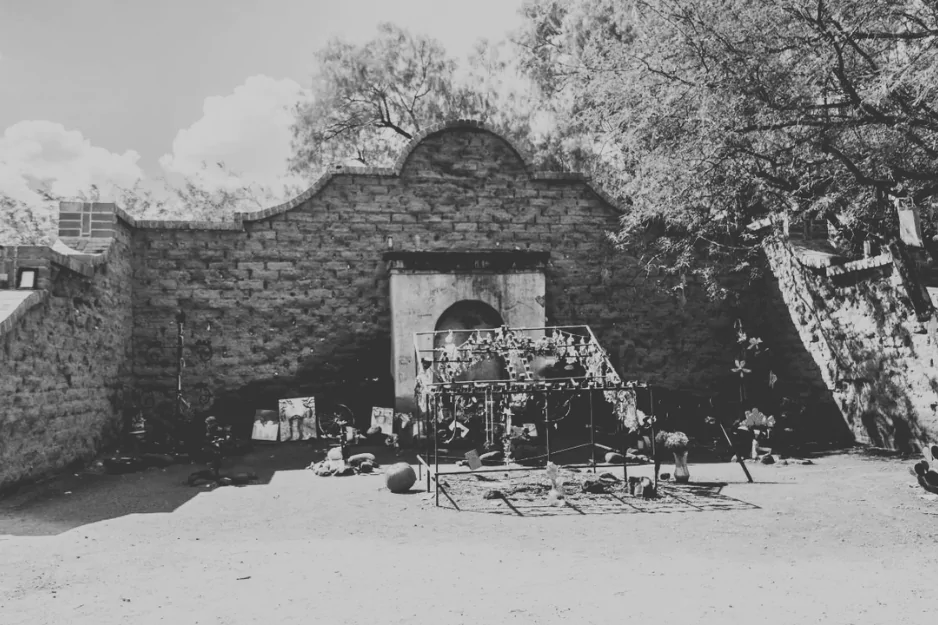
El Tiradito is an open-air shrine in Tucson's Barrio Viejo, dedicated not to a saint but to a sinner. The name translates to "The Castaway," and the site has been listed on the National Register of Historic Places since 1971. Locals and visitors come to light candles, tuck folded wishes into the adobe, and add their own hopes to a tradition that stretches back generations.
Who was Juan Oliveras?
The story goes that Juan Oliveras was a young ranch hand in the 1870s who fell into a love affair with his boss's wife. The affair ended in violence. Juan was killed, and because he died in sin, the church would not bury him in consecrated ground. He was laid to rest where he fell, near the old wagon trail that ran between Tucson and Sonora. Neighbors began leaving candles at the spot. The candles never really stopped.
Details shift depending on who tells it. Some versions put the ranch north of town, others move the killing into the barrio itself. That is how oral tradition works in a city this old, and it is part of why the shrine endures. The tragedy stayed put. The specifics became folklore.
The ritual: a candle, a wish, a slip of paper
Light a candle, make your wish, and leave the candle burning at the shrine. That is the whole ritual, and it has been practiced much the same way for over a century. Many visitors also write their wish on a slip of paper and press it into a crack in the adobe wall. The offerings you will see there, wax, notes, photographs, small mementos, are personal petitions left by everyone who came before you.
Is there really an El Tiradito curse?
The curse is folklore, a cautionary layer added to the shrine's legend over the years. As locals tell it, those who disrespect the site or wish with ill intent invite misfortune instead of blessings. Believe it or not as you like. The lesson underneath is simple and worth keeping: treat the shrine, and the neighborhood around it, with respect.
Why Barrio Viejo makes the story bigger
El Tiradito sits at the edge of Barrio Viejo, often called home to the largest collection of 19th-century adobe buildings in the United States. Narrow streets. Sonoran row houses built right up to the sidewalk. The neighborhood survived the urban renewal bulldozers of the 1960s that leveled much of the original barrio, which makes the shrine's survival feel even less accidental. The blocks around it hold their own legends, from the spirits of Barrio Viejo to the downtown haunts we cover in the echoes of the Old Pueblo.
Questions people ask
Can you visit El Tiradito at night?
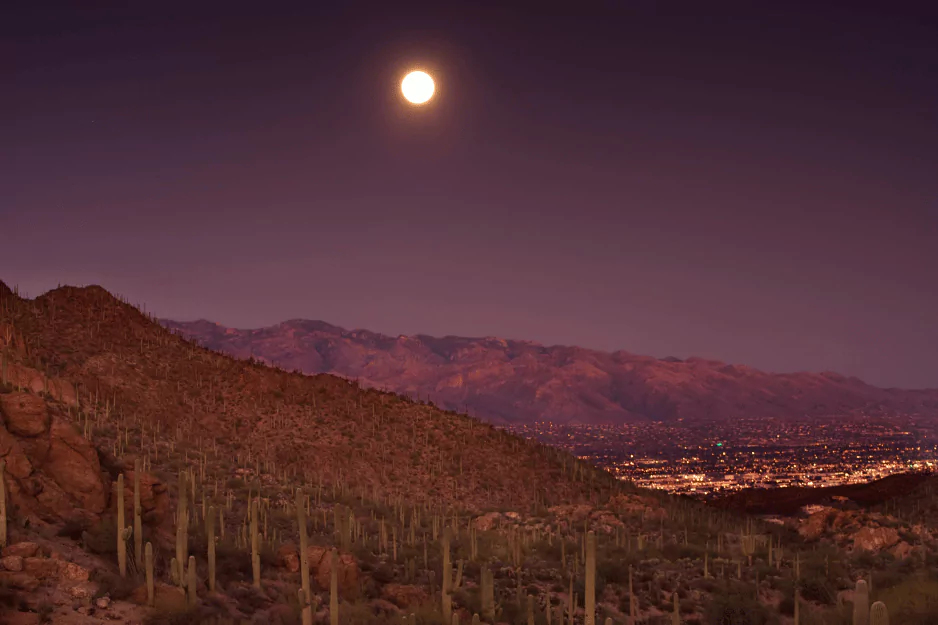
Yes. The shrine is an open-air site on a public street, and evening is when the candlelight is most striking. Our Tucson ghost tour walks this part of the city after dark, when the barrio is at its quietest.
Why is it called a sinner's shrine?
Because it honors a man who was denied a church burial. El Tiradito is often described as the only shrine in the United States dedicated to a sinner rather than a saint, which is exactly what keeps drawing people to it.
Walk this story
The shrine is worth lingering at, and downtown holds stories to match it. Our Downtown Tucson Haunted History Tour runs evenings at 8 PM, costs $29, and covers the haunted heart of the Old Pueblo on foot. Every stop was originally researched before it earned a place in the script. Bring a wish, just in case.