Have you ever imagined living your life in a different decade? I have, constantly. I'm Susan Johnson, co-founder of Freaky Foot Tours, and while researching my book The Walkup Family Murders (The History Press), the story behind the Walkup family tragedy, I fell down a rabbit hole of yesteryears. I kept circling one question: what was it actually like to live in Flagstaff in the 1930s?
What was Flagstaff like in the 1930s?
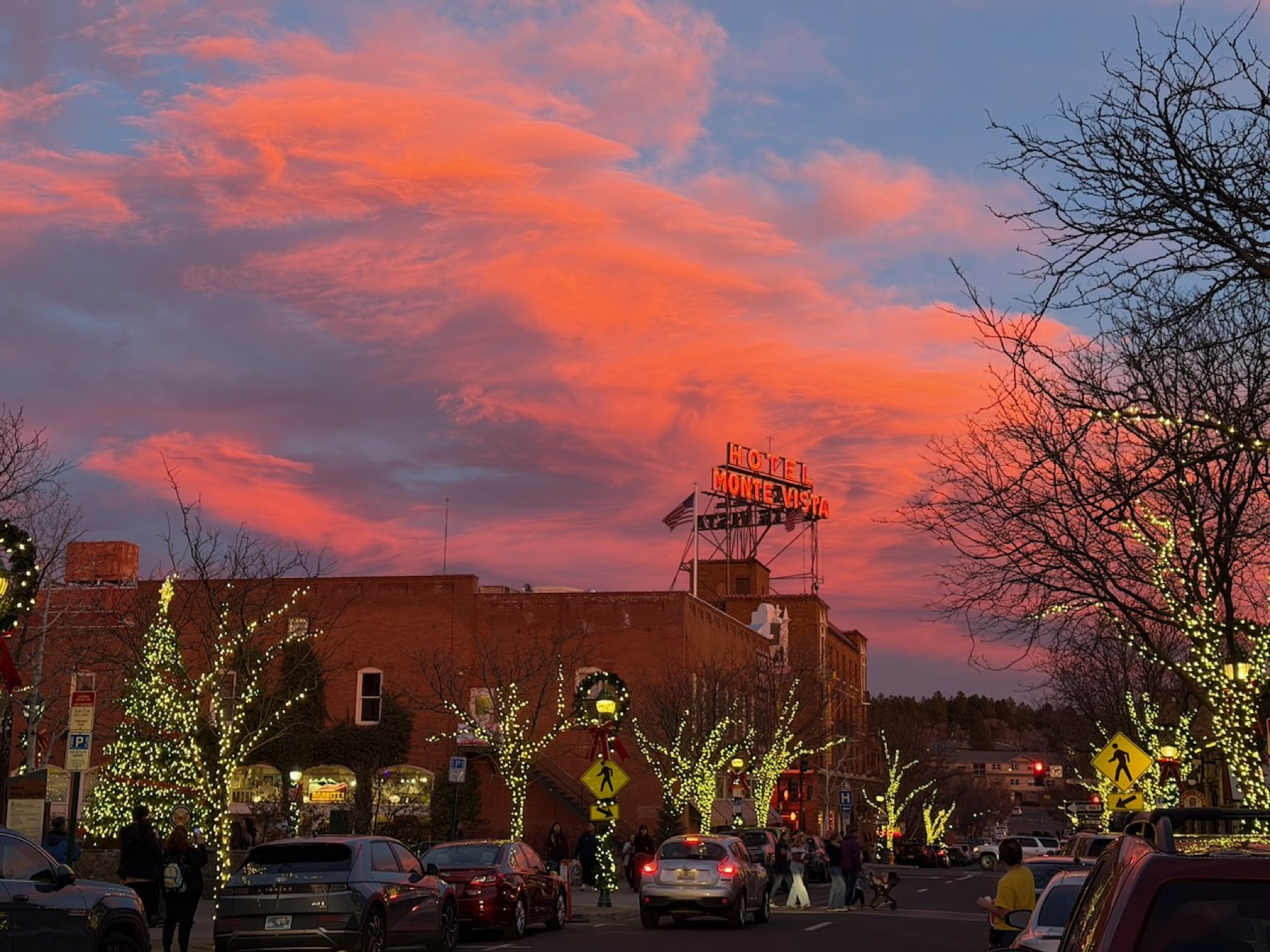
More familiar than you might guess. Picture yourself on the sidewalk outside the Hotel Monte Vista in 1937. The main streets are paved and busy with cars. The trains still roar through daily and still hold a place in people's hearts, but Route 66 has become the town's lifeline, bringing an endless stream of visitors. It never left, either. Flagstaff is one of the few Arizona cities where Route 66 is still a working main street.
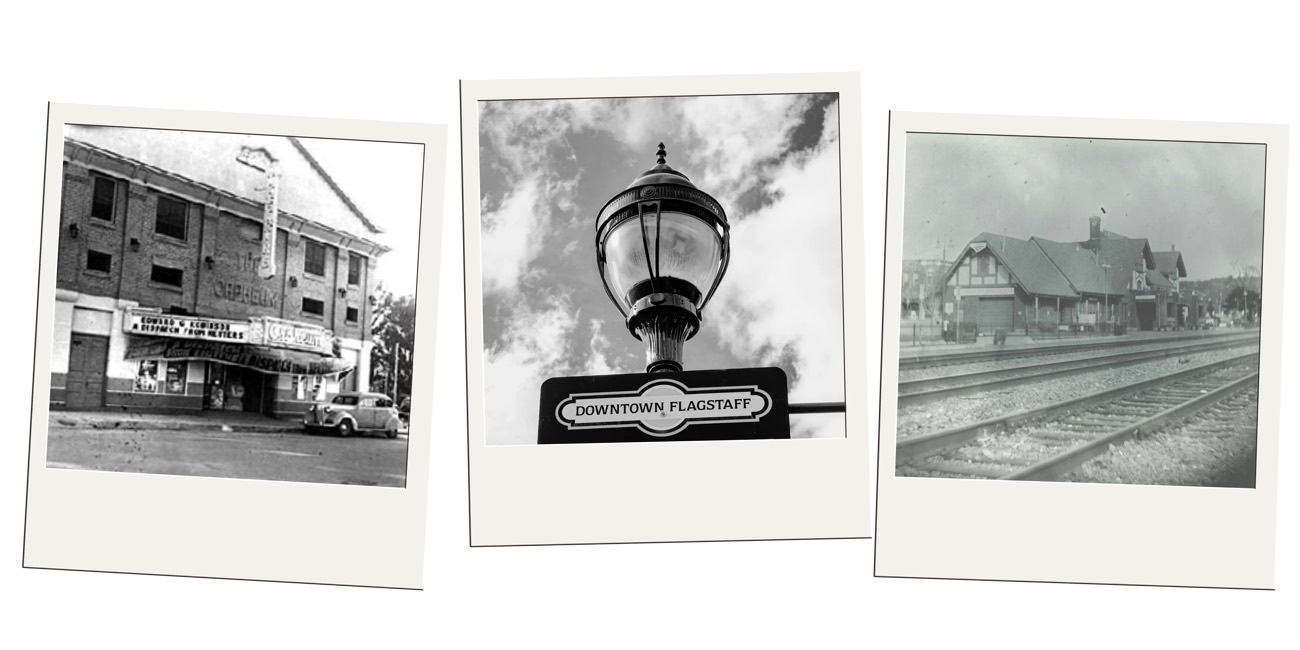
Daily life had polish. You could meet friends for lunch, have your hair colored or styled at a salon, then walk up to a neighbor's house for the weekly bridge game. Or catch a movie at the Orpheum Theater, the 1917 movie house that still anchors its block today. The country club north of town offered a nine-hole golf course, and there were tennis courts, softball games and plenty of other ways to fill a Saturday.
Home life in 1937
By 1937 a typical Flagstaff residence had a refrigerator, a washer and dryer, and a vacuum cleaner. Telephone service was widespread, and a radio brought the outside world a little closer each evening. According to articles in the Coconino Sun, most families still tended a small vegetable garden at home, though by the 1930s the grocery store had become the mainstay for food. And there was always Babbitt Brothers, the mercantile that carried almost anything a person could want to eat, wear, put in the home or play with outside. The Babbitts had been in the car business since 1908, but if owning a vehicle was not for you, the town had at least one taxi company and a Greyhound bus station.
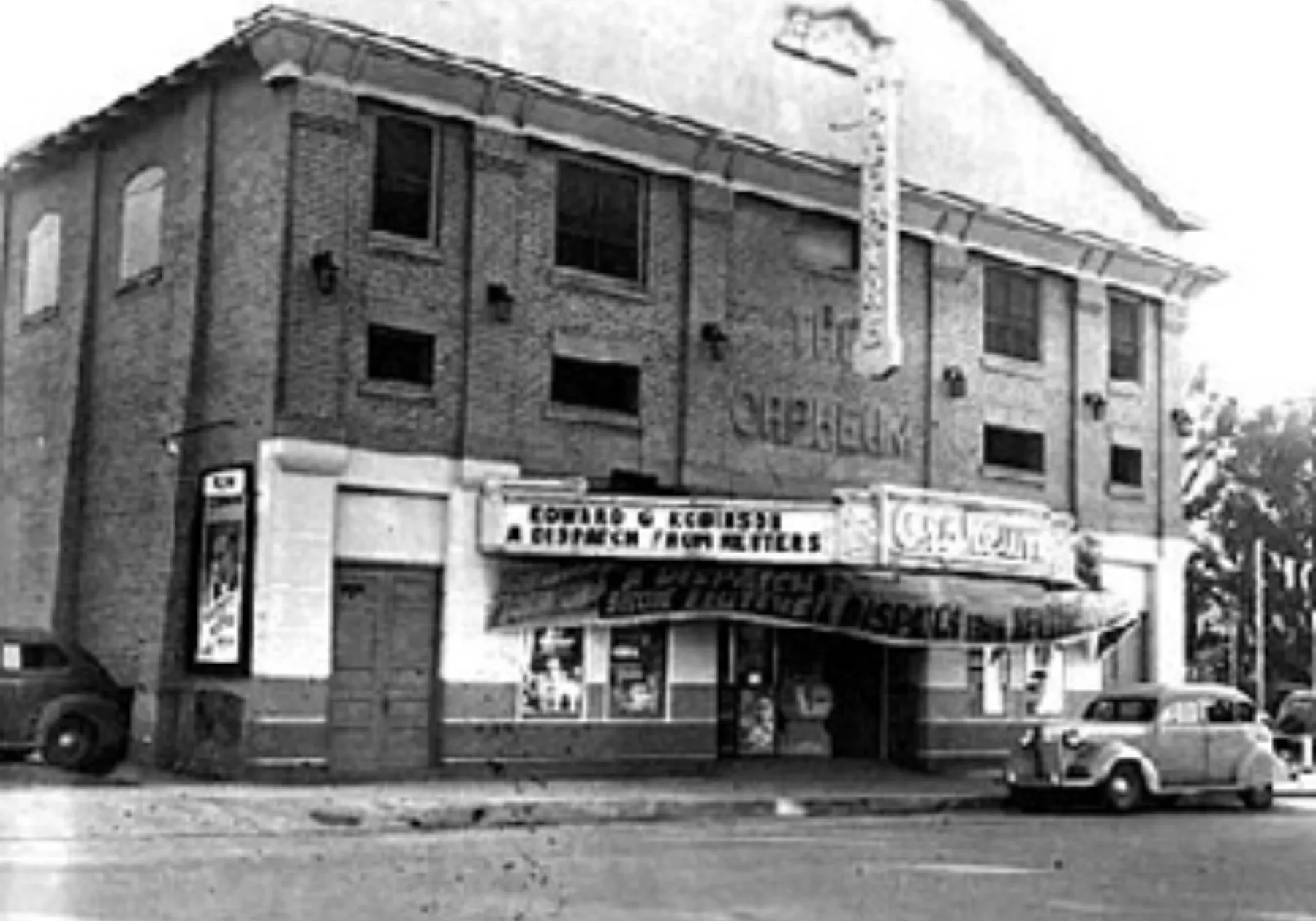
The picture I am trying to paint is of a town far less isolated than people imagine. Flagstaff had been a railroad boomtown since the tracks arrived in 1882, and its geography, a mountain town growing at the base of a larger mountain, kept it contained for decades. Once roads replaced horse trails and the trains kept bringing adventurous souls to the Southwest, Flagstaff took off like a rocket.
Walk this story
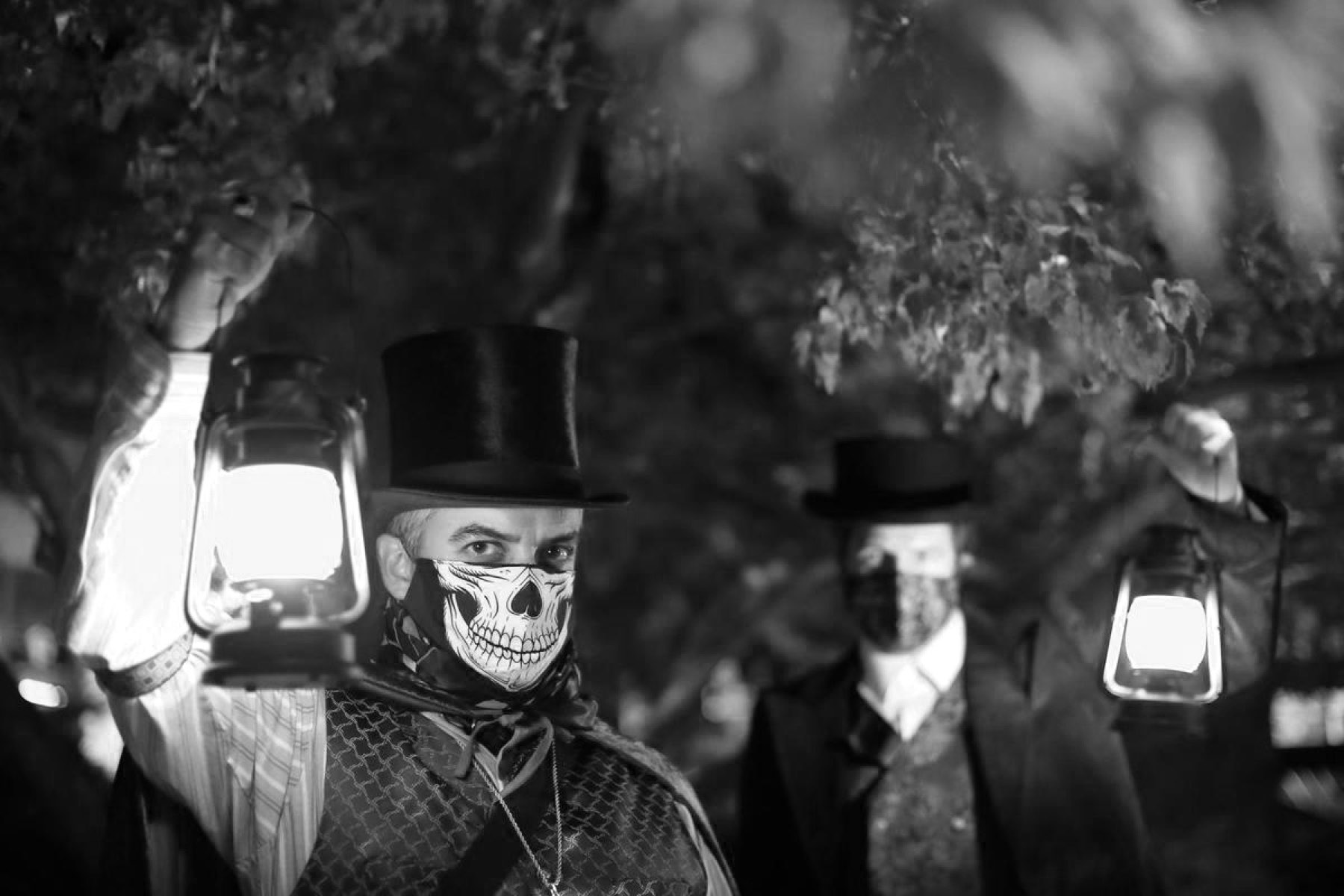
The 1930s left Flagstaff more than photographs. In the summer of 1937, Marie Walkup took the lives of her four children and herself, the case that pulled me into this research in the first place. The rest of that story gets told on the Flagstaff Haunted History Tour, our original ghost walk through these same downtown blocks. Nightly at 7 PM, with an extra 8 PM walk on Fridays and Saturdays, 75 minutes, $29 for adults.
Keep reading
- The Notorious Walkup Family Tragedy
- The Original Flagstaff Country Club
- The Babbitt Brothers: A Legacy in Flagstaff's History