Tucson has a birthday: August 20, 1775. That is the day an Irish officer serving the Spanish Crown laid out a walled fort beside the Santa Cruz River, on land the Tohono O'odham had lived on for far longer. Everything the city became, the barrios, the railroad, the downtown streets we walk today, grew outward from that decision. Here is how it happened.
Who founded Tucson?
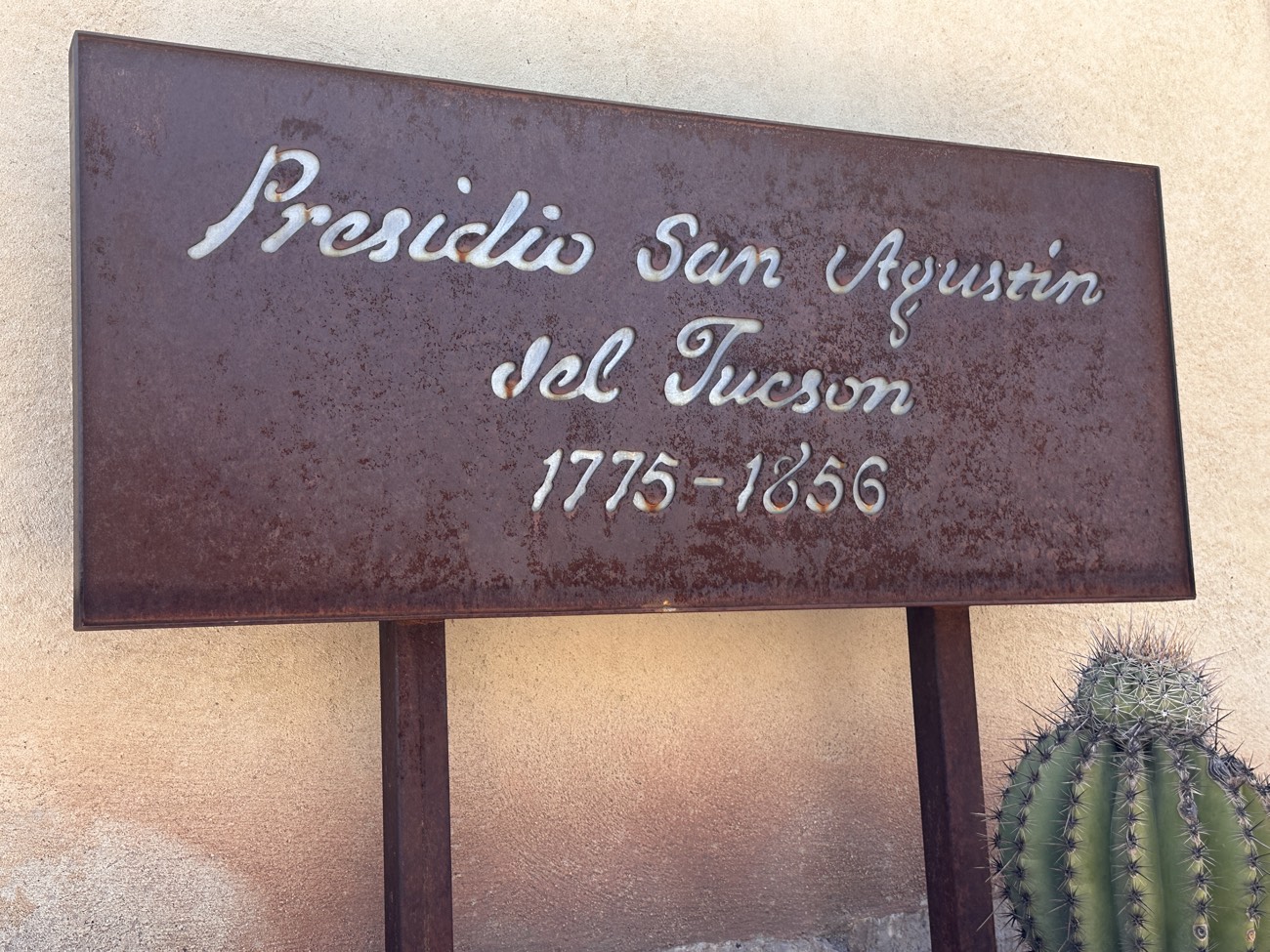
Tucson's formal founding belongs to Don Hugo O'Conor, an Irish military officer in service to Spain, who established the Presidio San Agustin del Tucson on August 20, 1775. O'Conor judged the spot along the Santa Cruz River vulnerable to Apache raids and vital for protecting Spanish settlers and the missionary efforts nearby, so he ordered a fortified post built. That presidio, a walled adobe compound with watchtowers and living quarters around a central plaza, became the seed of downtown Tucson.
The word "founding" deserves an asterisk, though. The presidio went up in the heart of Tohono O'odham territory, and the relationship between Spanish settlers and the people already living here ranged from cooperation to conflict. Mission San Xavier del Bac, south of town, is the most visible monument to that complicated exchange, and it still stands. We cover its story separately in our post on San Xavier del Bac.
What was life like in early Tucson?
Hard, dry, and isolated. Daily life revolved around the garrison, farming along the Santa Cruz, and trade with Native communities. Settlers dealt with water scarcity, Apache raids, and the sheer distance from other Spanish settlements. Out of that pressure came a distinct community, Spanish, Native, and later Mexican influences layered together, and that blend is still legible in Tucson's food, architecture, and neighborhoods today. The stories from those early blocks are the reason the presidio district features in Tucson's haunted lore as well as its history books.
How did Tucson become part of the United States?
Through the Gadsden Purchase of 1854, which followed the Mexican-American War and transferred the territory that includes Tucson from Mexico to the United States. Until then, Tucson had been a northern outpost of Mexico. The change of flag brought new settlers, new money, and new problems, and set the town on its American trajectory.
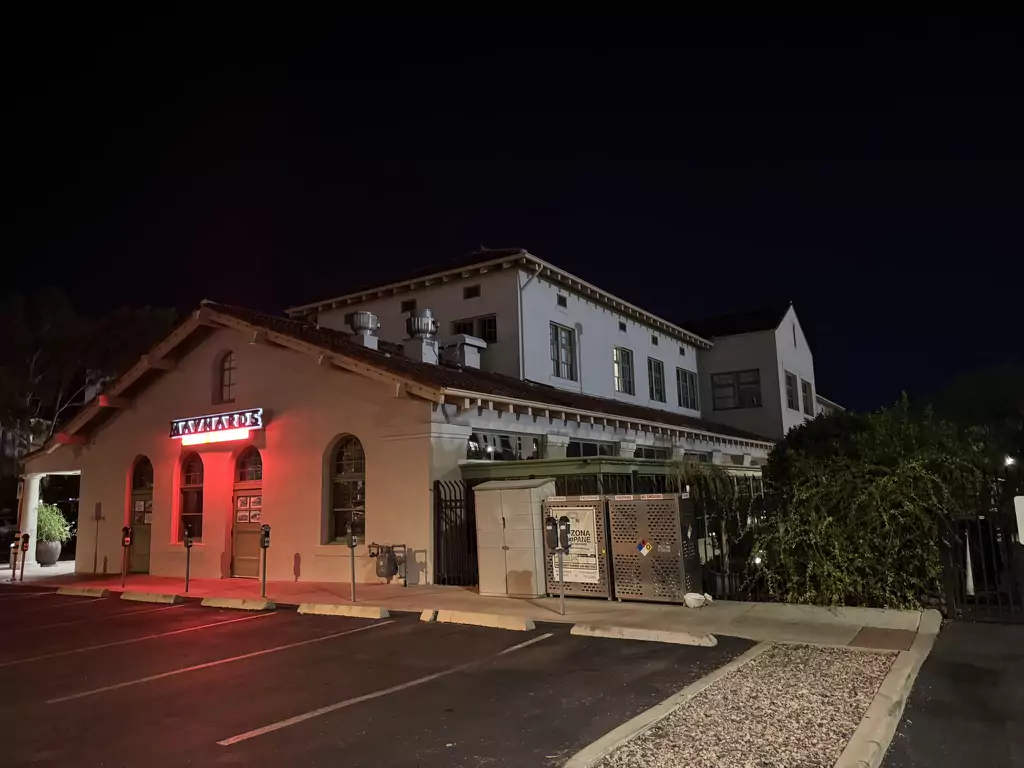
The real accelerant arrived in 1880, when the Southern Pacific Railroad reached town. The railroad turned Tucson into a transportation hub for southern Arizona, and the Southern Pacific station downtown remains one of the anchors of the historic core. From walled fort to railroad town in a little over a century.
Tucson at 250
In 2025 Tucson marked 250 years since O'Conor's presidio, a milestone few American cities can claim. The modern city carries the anniversary well: a working downtown, the University of Arizona, a celebrated food scene, and neighborhoods like Barrio Viejo where the 19th century is still standing in adobe. If you want to see how much of old Tucson survives at street level, Barrio Viejo is the proof.
Walk this story
History reads better on foot. Our Downtown Tucson Haunted History Tour walks the blocks that grew out of the old presidio, evenings at 8 PM for $29, pairing the documented history with the stories those 250 years left behind. The founding is the first chapter. The tour covers what happened next.