The Santa Rita Hotel rose, reigned, and was demolished, and its ghost stories outlived the wrecking ball. For decades it stood among downtown Tucson's grand addresses, part of the same storied cluster as Hotel Congress and the Pioneer, and when the building came down, the stories simply moved into memory and stayed there. This is the elegy the Santa Rita earned: what it was, what people said happened inside, and why a hotel that no longer exists still belongs on any honest map of haunted Tucson.
What was the Santa Rita Hotel?
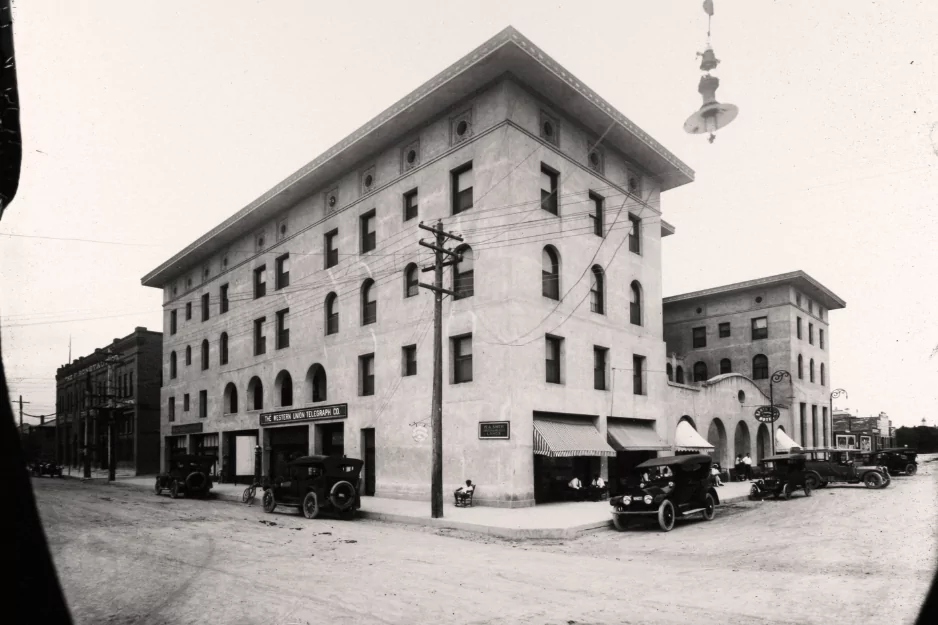
The Santa Rita was one of downtown Tucson's grand hotels, built in the early 20th century, when the railroad that arrived in 1880 was still delivering travelers to the heart of the Old Pueblo. It belonged to the era when a city's reputation lived in its hotel lobbies: ballrooms, bellhops, visiting dignitaries, deals made over dinner. Locals of a certain age still say the name the way you say the name of someone who mattered. It shared its downtown with the Congress and the Pioneer, and for a long stretch the three of them anchored Tucson's social map.
What ghost stories did the Santa Rita leave behind?
The most famous is the figure said to wander the fourth floor, reported alongside disembodied footsteps in the small hours. Other tales made the rounds while the hotel stood, and they get softer with every retelling, the way stories do when their building is gone. Guests spoke of a woman in white tied to the old ballroom, and a service elevator that seemed to run errands of its own. None of it can be checked now. That is the strange mercy of a demolished haunt: the stories are all that survive, so the stories get to be the building.
What happened to the Santa Rita Hotel?
It was demolished. The grand downtown hotel era ended in Tucson the way it ended in most American cities: travel patterns changed, the money moved, and buildings that once defined a skyline stopped earning their ground. The Santa Rita did not survive that arithmetic. What makes its ending different from a hundred similar demolitions is what refused to go with it. Ask around downtown and the hotel is still spoken of in the present tense, the fourth-floor figure still walks in the retelling, and the name still comes up whenever Tucson counts its ghosts.
Why do demolished landmarks keep their ghost stories?
Because the stories were never really about the walls. A ghost story needs a teller, a listener, and a place to point at, and downtown Tucson still offers all three. As we put it in the echoes of the Old Pueblo, the past here does not just haunt the buildings, it haunts the ground itself. The presidio's footprint is under the pavement. The barrios remember. When a landmark falls, its stories migrate into newspapers, photographs, family retellings, and the scripts of people whose job is to keep the record alive. The Santa Rita has been gone for a long time. It has not once been quiet.
What remains of the Santa Rita today?
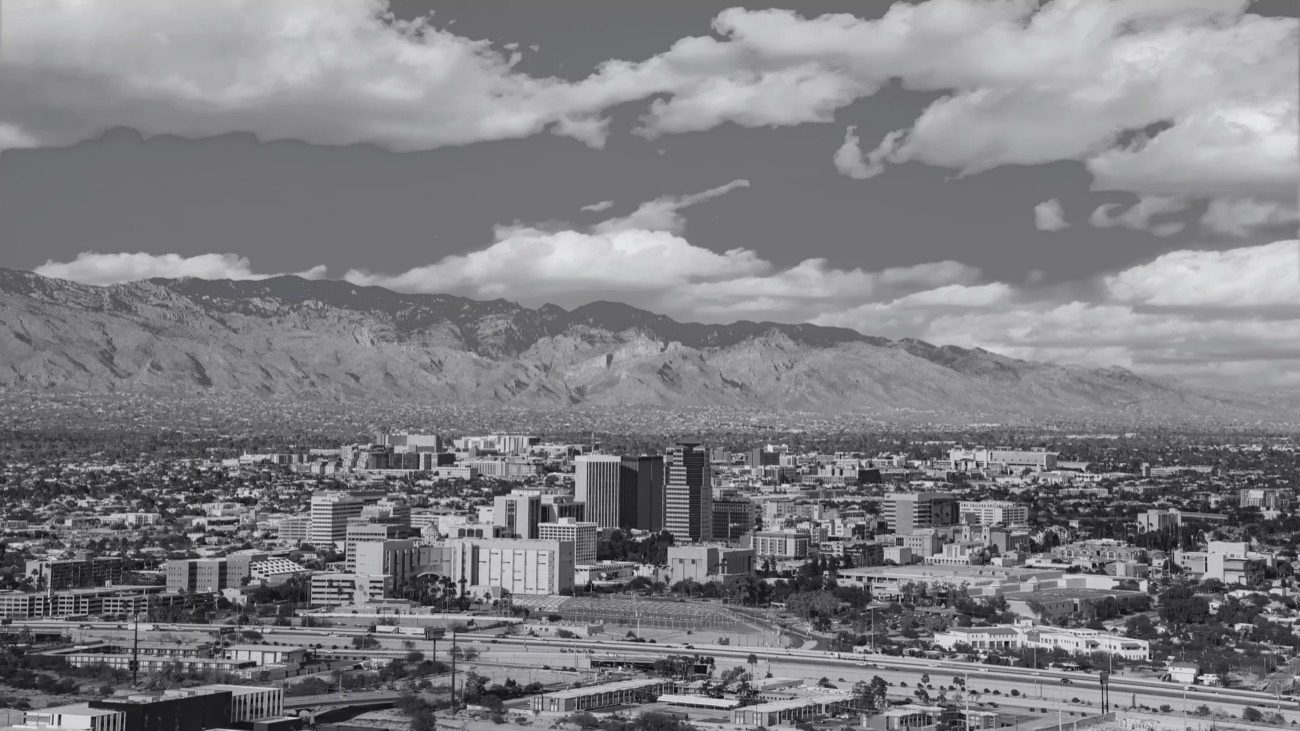
The name, the photographs, the archives, and the company it kept. The downtown blocks the Santa Rita served are the same ones where the Pioneer Hotel still stands as offices and apartments, where Hotel Congress still rents rooms, and where the sidewalks still carry the whole layered story. Tucson is unusually good at holding onto its dead landmarks. The Santa Rita gets mentioned alongside buildings that survived, which is its own kind of afterlife.
Questions people ask
Was the Santa Rita Hotel haunted?
The stories were told for generations while it stood: the fourth-floor figure, the footsteps in the small hours, the ballroom's woman in white. It is the one entry on Tucson's haunted list you can no longer check into, so the question stays permanently open, which may be why people keep asking it.
Where was the Santa Rita Hotel?
Downtown Tucson, in the same historic core as Hotel Congress and the Pioneer Hotel. The neighborhood it belonged to is the neighborhood our evening walk covers, which keeps the hotel inside the city's living story even with the building gone.
Can you visit the Santa Rita Hotel site?
The building is gone, so there is no lobby to walk into and no room to book. What you can do is walk the downtown blocks it belonged to, where the surviving landmarks and the street-level storytelling put the Santa Rita back in context better than any plaque could.
Hear the stories the buildings left behind
The Santa Rita's chapter belongs to a bigger book, and the book gets read aloud downtown every evening. The Downtown Tucson Haunted History Tour runs evenings at 8 PM, $29 per person, 90 minutes through the historic core where the Congress, the Pioneer, and the ghosts of the lost landmarks all get their due. Monk, our Tucson guide, tells the demolished-hotel chapters from the streets that remember them. Come hear what the wrecking ball missed.