Yes. A network of steam-heat mains runs beneath downtown Flagstaff, laid by the Flagstaff Electric Light Company beginning in 1920 to heat the business district. Local accounts say some passages were later widened so people could move between basements unseen. The historic mains are sealed and not open to the public, and the passages that survive south of the tracks sit on private property.
Guides get asked about the tunnels more than any other subject in town, and the answers in circulation run from careful history to pure invention. This page is the documented version. It draws on the tunnels chapter of Wicked Flagstaff by our co-founder Susan Johnson, a city engineer's map of the Flagstaff Underground, and the accounts of people who have actually stood in the surviving passages.
What the tunnels were built for
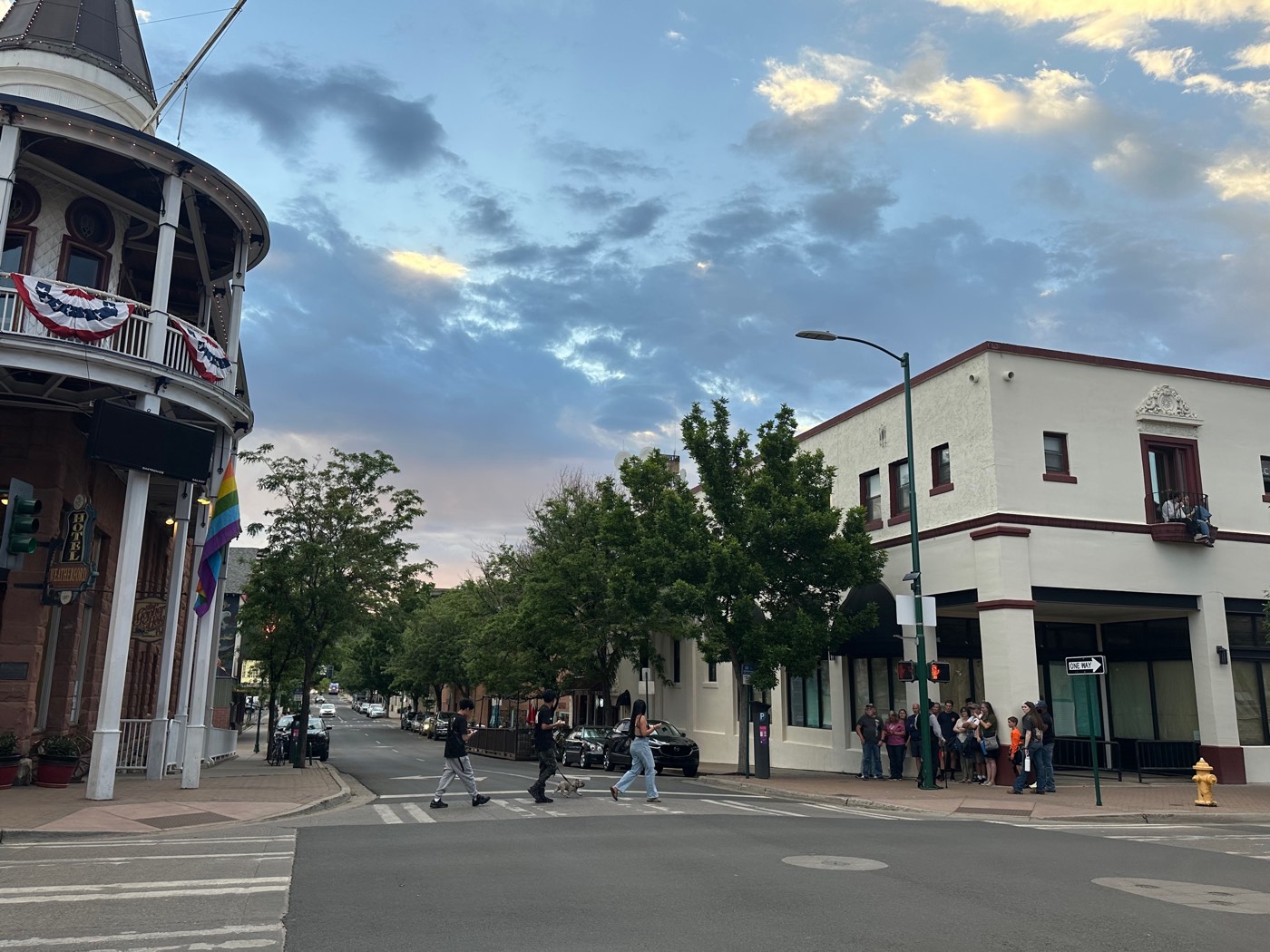
Heat, first and before anything else. Flagstaff sits at 7,000 feet, its winters are long, and in the town's early years every downtown building warmed itself with its own stove or boiler. The Weatherford Hotel's published history of the system dates the fix to 1920, when the Flagstaff Electric Light Company began laying steam mains beneath the business district. The sawmills that built this town burned their own sawdust to raise the steam, and pipes carried it under the streets to the shops and hotels above. A Northern Arizona Leader article from June of 1920 promised that a merchant would soon turn on the heat as easily as he turned on his lights, and by that same account the system kept downtown warm into the 1960s.
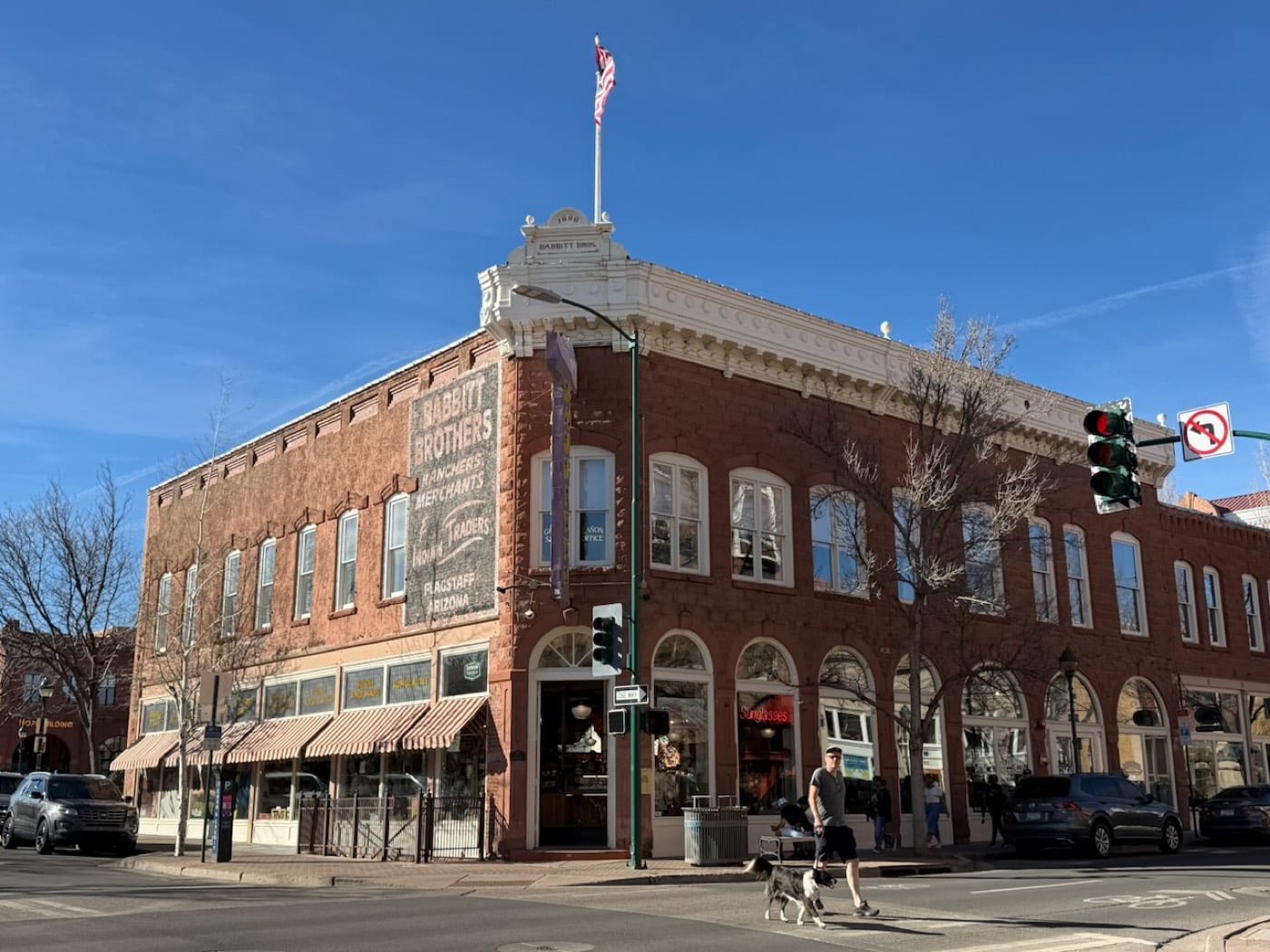
The people-sized passages are a related but separate story. Some predate the steam era entirely: the longtime curator of Flagstaff's Pioneer Museum has described a passage built so staff could walk between Babbitt's Department Store and the Babbitt Garage without crossing through the snow. Local accounts, including the ones Susan collected for her book, say other corridors were widened over the years so a person could pass from basement to basement unseen, convenient in winter and very convenient in the eras when some errands were better run out of sight. No construction record for that widening has surfaced, so we tell it the way the town remembers it, as local account rather than documented fact.
The map of the Flagstaff Underground
The strongest single item in our files is a map. In 2005 the Arizona Historical Society ran a tour covering the below-ground history of several downtown buildings, and one of the people on it was Paul Johnson, an engineer with the city and Susan's late husband. He came home with a copy of a city map of the Flagstaff Underground, the utility engineer's view of what actually runs beneath these blocks. Paul was not much for hauntings, but he was an engineer, he thought tunnels were pretty cool, and his work took him into the city's working utility corridors more than once. The history down there always interested him more than the pipes did.
That map became the spine of the tunnels chapter in Wicked Flagstaff and of the years of newspaper-archive digging that followed. Filmmaker Nikki Charnstorm's short documentary The Forgotten Underground walks some of the same ground and is worth finding. Susan tells the whole research story in her own words in her account of researching the Flagstaff underground.
What was reported found down there
When sealed passages were opened and cleared over the years, the recollections of what came out read like an inventory of everything respectable street-level Flagstaff said it did not do. Opium pipes. Moonshine bottles. Some accounts describe gaming tables, and Paul came home from that 2005 tour talking about a one-arm bandit, an old slot machine, found below a downtown block. We say reported on purpose: these finds survive in local memory and in interviews gathered across decades, not in a museum case with catalog numbers. What is documented is the appetite. Early Flagstaff gambled, drank and looked the other way like every railroad and lumber town, and one downtown passage is remembered in local histories as a gamblers' escape route, complete with a warning buzzer wired from the front counter above.
The dark chapters
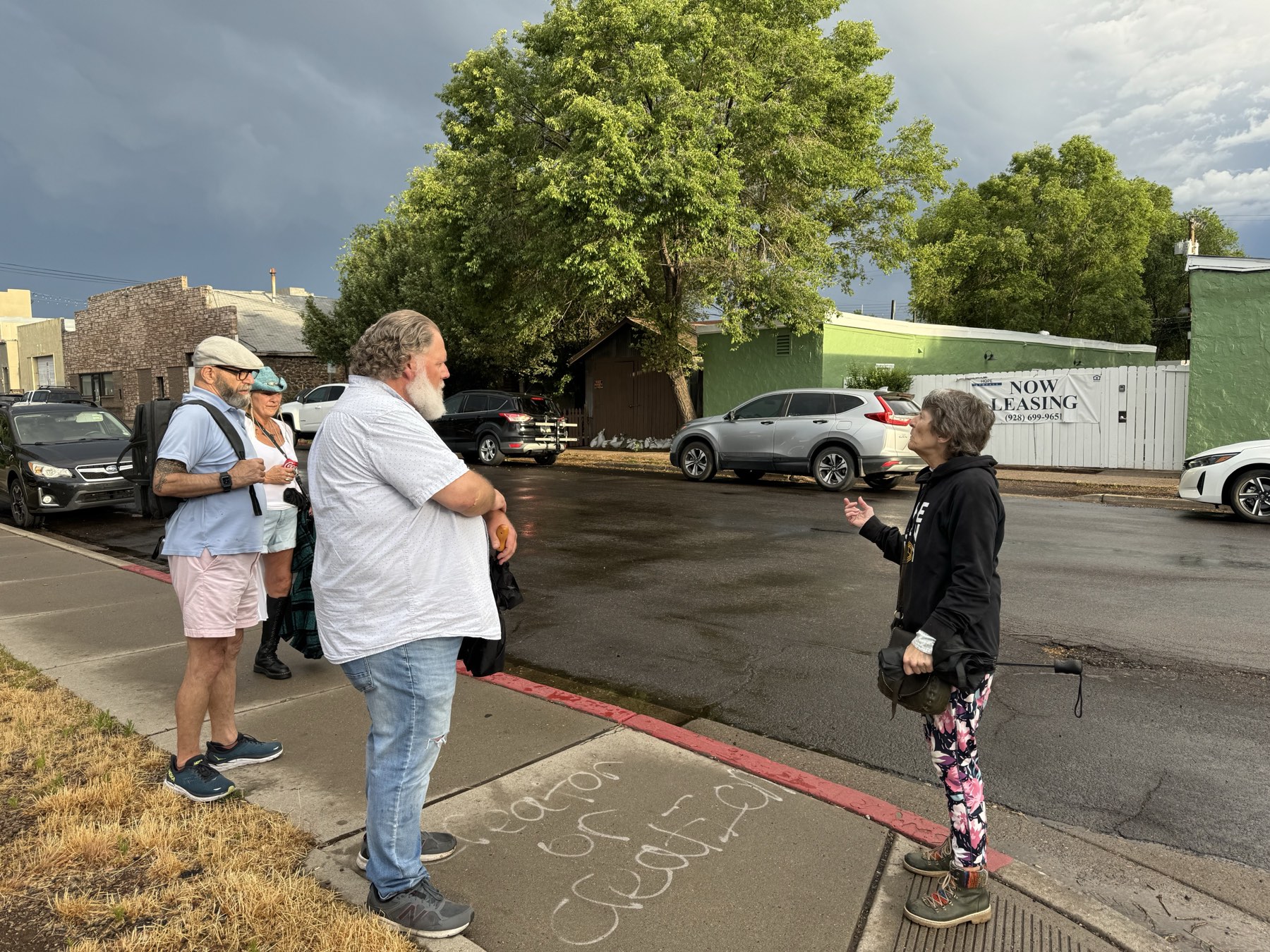
Some of the tunnel lore is heavier than bootleg bottles, and it deserves care rather than campfire treatment. Flagstaff had a Chinese community from its earliest railroad days, people who ran restaurants and laundries and were treated badly by much of the town around them. The lore has long tied opium dens to the basements and passages of the blocks where they lived and worked, and stories of raids on those dens circulated in Flagstaff for decades. The physical evidence is thinner than the stories: the Pioneer Museum's longtime curator has said he never found evidence of Chinese occupation in any tunnel under Flagstaff, and that the community was more often blamed for the town's troubles than guilty of them. Both halves of that record are real history, the vice trade and the scapegoating alike, and the second half is the part the campfire versions usually leave out.
South of the tracks the record firms up. The Southside was the working side of town, where the saloons, rooming houses and red-light businesses operated away from downtown's front windows, and some buildings there kept usable basement passages long after the downtown mains were sealed. Businesses on South Beaver Street still have a functioning passage beneath the street, dark, low and entirely real, on private property. Local accounts tie several of these crossings to the neighborhood's houses of prostitution, the same logic of unseen traffic that runs through the whole tunnel story. That neighborhood deserves its own telling, and it has one in our history of the South Side.
Are the tunnels haunted?
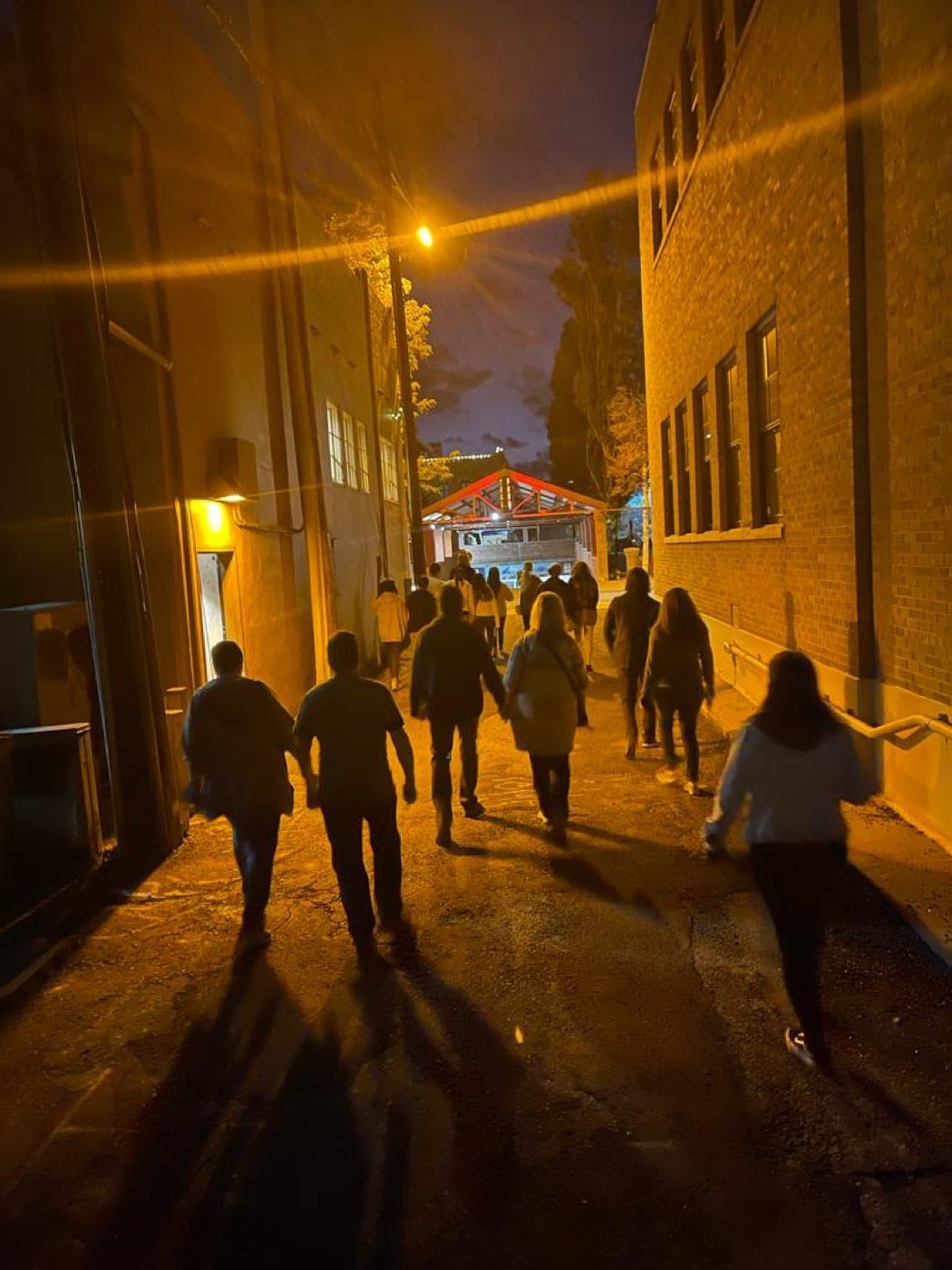
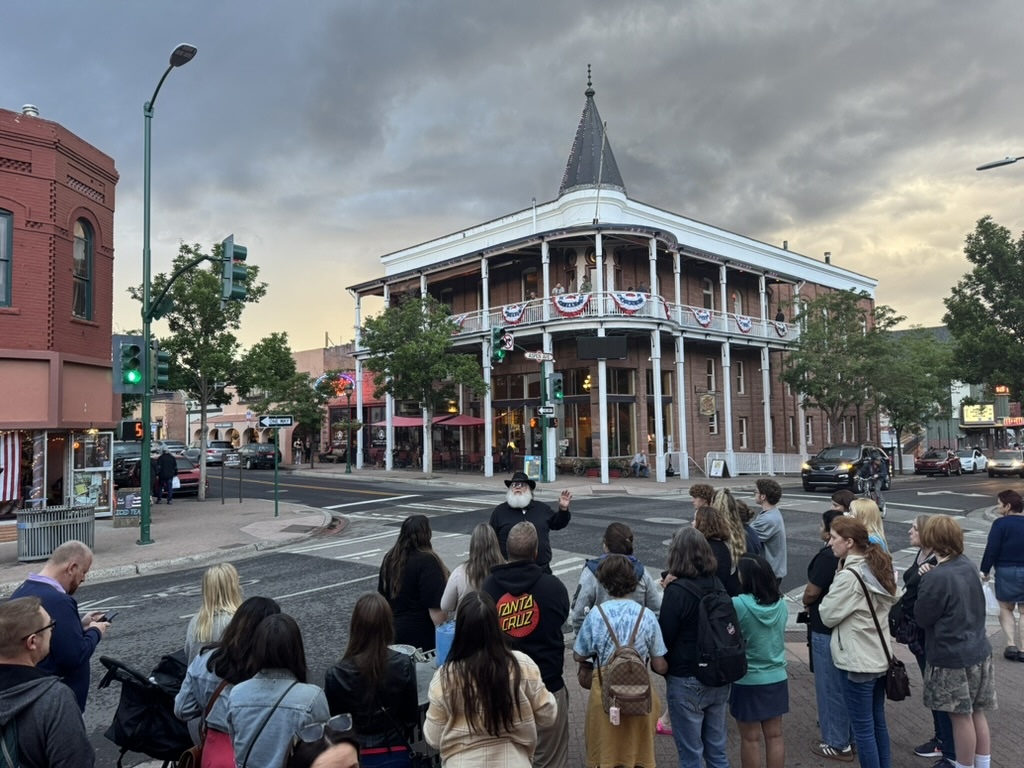
Here is the honest answer. The sealed mains produce no ghost reports for the simplest reason there is: nobody is down there to make one. The reported hauntings cluster in the buildings the network once served and the blocks above it, the hotels, theaters and storefronts of downtown, where guests and staff have described footsteps, voices and figures for decades. The story goes that whatever moved through Flagstaff unseen did not entirely stop when the passages were filled. Which buildings, which rooms and what was reported in them is the material we save for the tour, told standing over the very blocks it happened beneath. Some payoffs are worth the walk.
Can you visit the tunnels today?
No, and it is worth being plain about it. The historic steam mains under downtown were sealed shut and are not open to the public. Our tours do not go into them, or below ground anywhere. The few basement passages that survive south of the tracks sit on private property and open for no one without the owner's say-so. When we say tunnels, we mean the sealed steam mains and the passages that once linked basements, not a building's own cellar. What a visitor can do is stand on top of the story. Every block of downtown and the Southside runs directly above this history, the buildings that once drew heat from the old mains are still standing and still in business, and the documented version of the story is told at street level. We are careful to keep the documented history separate from the myths, and the tunnels are the subject where that discipline matters most.
Questions people ask
Are there tunnels under downtown Flagstaff?
Yes. Steam-heat mains were laid beneath the downtown business district beginning in 1920, and local accounts say some passages were widened for foot traffic between basements. The historic mains are sealed and not open to the public, and the passages that survive south of the tracks sit on private property.
What were the Flagstaff tunnels used for?
Heat, primarily. The Flagstaff Electric Light Company began laying steam mains under downtown in 1920, carrying steam raised from sawmill sawdust to the buildings above, a system the Weatherford Hotel's published history traces into the 1960s. Local accounts add a second use: quiet passage between basements, out of the snow and out of sight.
Were the tunnels used during Prohibition?
That is the lore, and parts of it are grounded. Accounts of the cleared passages describe moonshine bottles, opium pipes and gambling gear, and one downtown passage is remembered as a gamblers' escape route. Whether the vice happened in the tunnels themselves or in the basements they connected is contested, so we tell it as reported local account, not settled fact.
Can you tour the tunnels under Flagstaff?
No. The historic mains are sealed shut and not open to the public, and the passages that survive south of the tracks sit on private property, open at their owners' discretion. When we say tunnels, we mean the sealed steam mains and the passages that once linked basements, not a building's own cellar. Our Flagstaff ghost tour tells the tunnel stories from the sidewalk, standing over the blocks the network ran beneath, and never goes below ground. We would rather say so here than surprise you after you book.
Are the Flagstaff tunnels haunted?
The sealed mains have no visitors left to report anything. The buildings the network once served are another matter: several carry decades of reported activity, and their stories are stops on our evening walks. We save the details for the sidewalk.
Where can I read the full research?
Susan Johnson, our co-founder, wrote a full chapter on the tunnels in Wicked Flagstaff, her book from The History Press. Find it in our Flagstaff store, and read how the tours are researched on our research page.
Hear it from the streets above
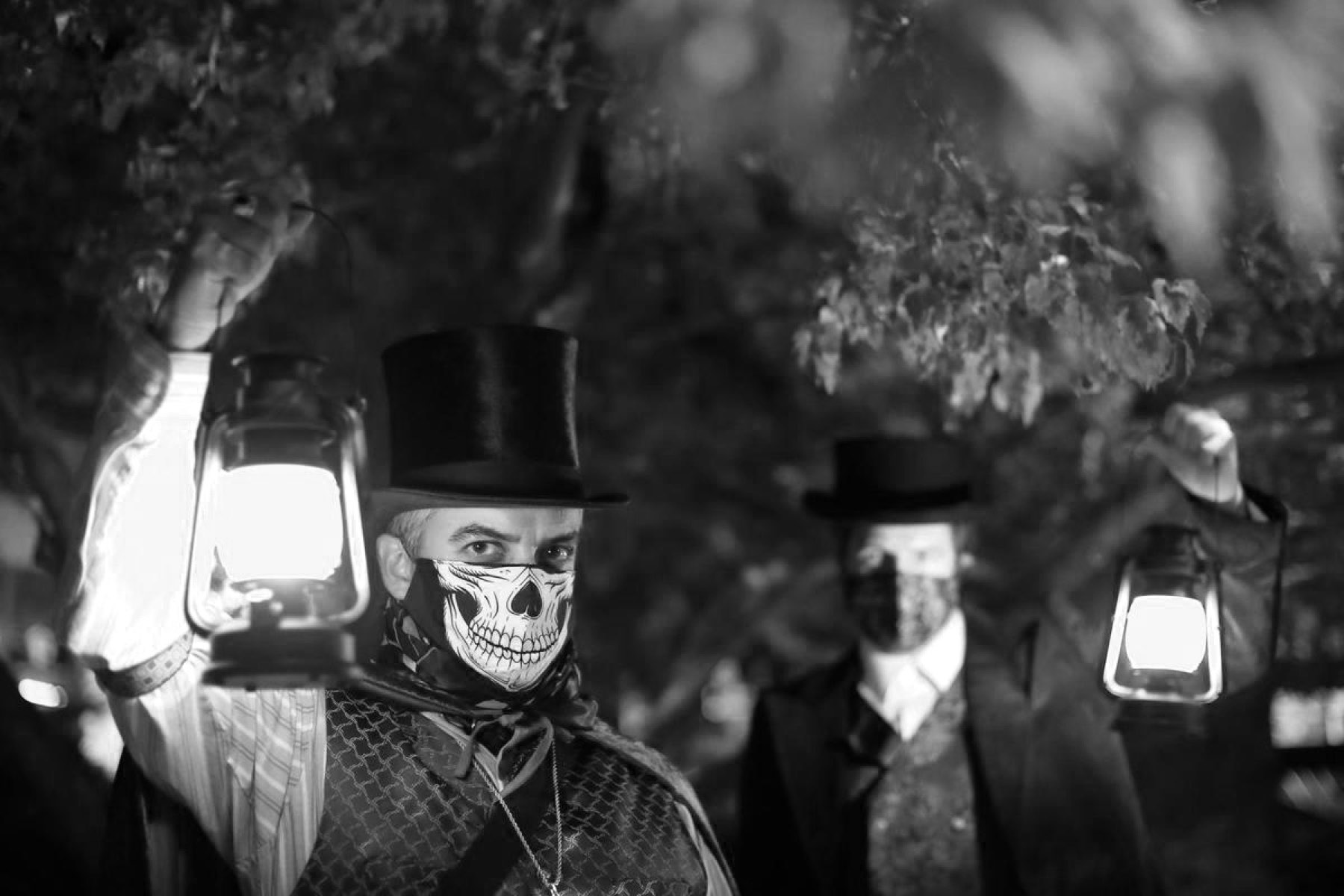
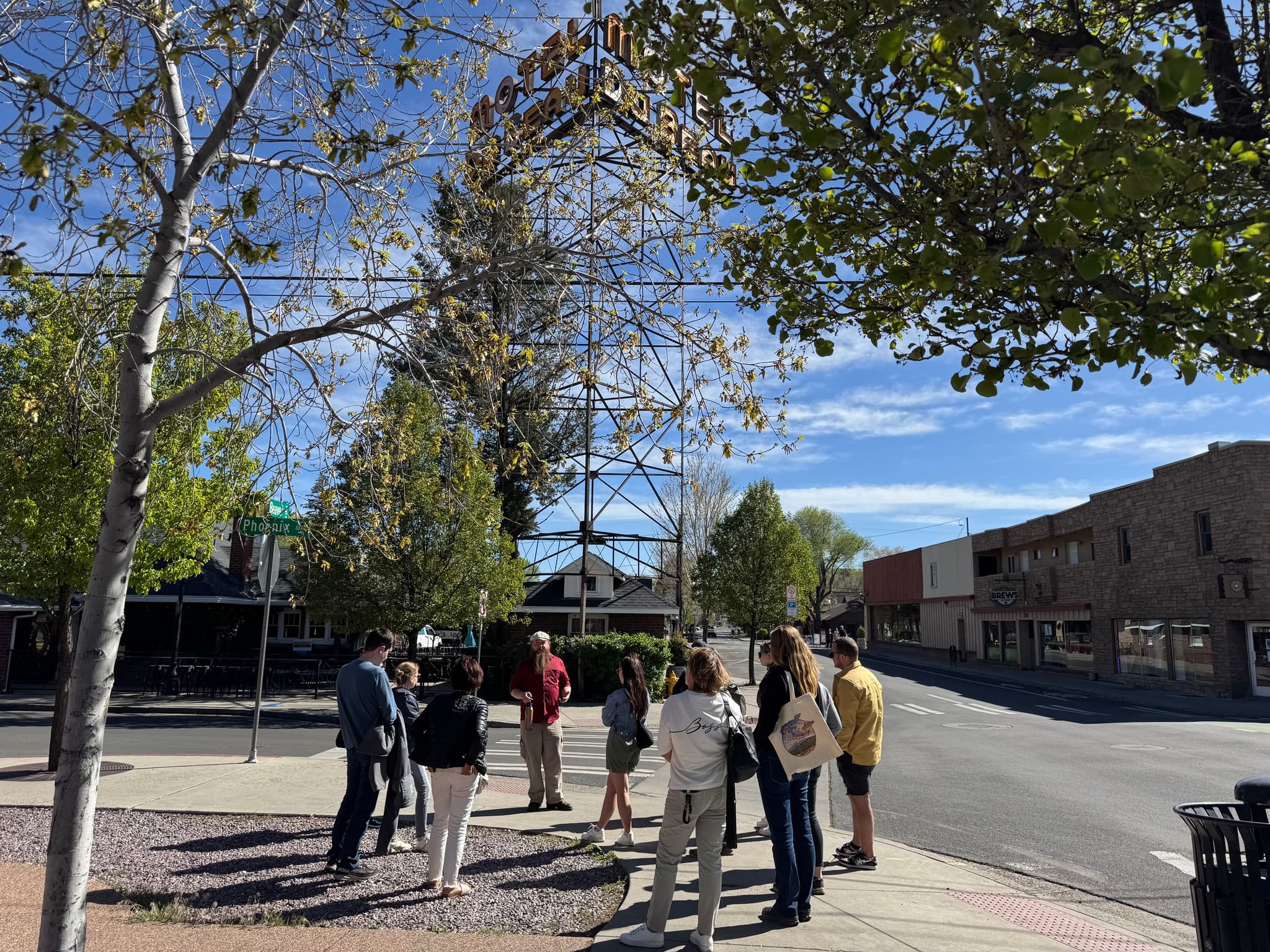
The tunnel stories ride along on the Downtown Flagstaff Haunted History Tour, Flagstaff's original ghost tour since 2015 and a walk that covers the very blocks this page is about. Evening departures leave at 7 PM from Wheeler Park at 212 W Aspen Ave, the walk runs 75 minutes at an easy pace, and tickets are $29 for adults, $25 for students and $22 for children. Company-wide, Freaky Foot Tours holds a 4.9 of 5 rating across 350+ TripAdvisor reviews as of September 2026. 2,000+ five-star reviews. Best of Flagstaff three years running. Bring a tunnel question; our guides have heard them all and still love the good ones.