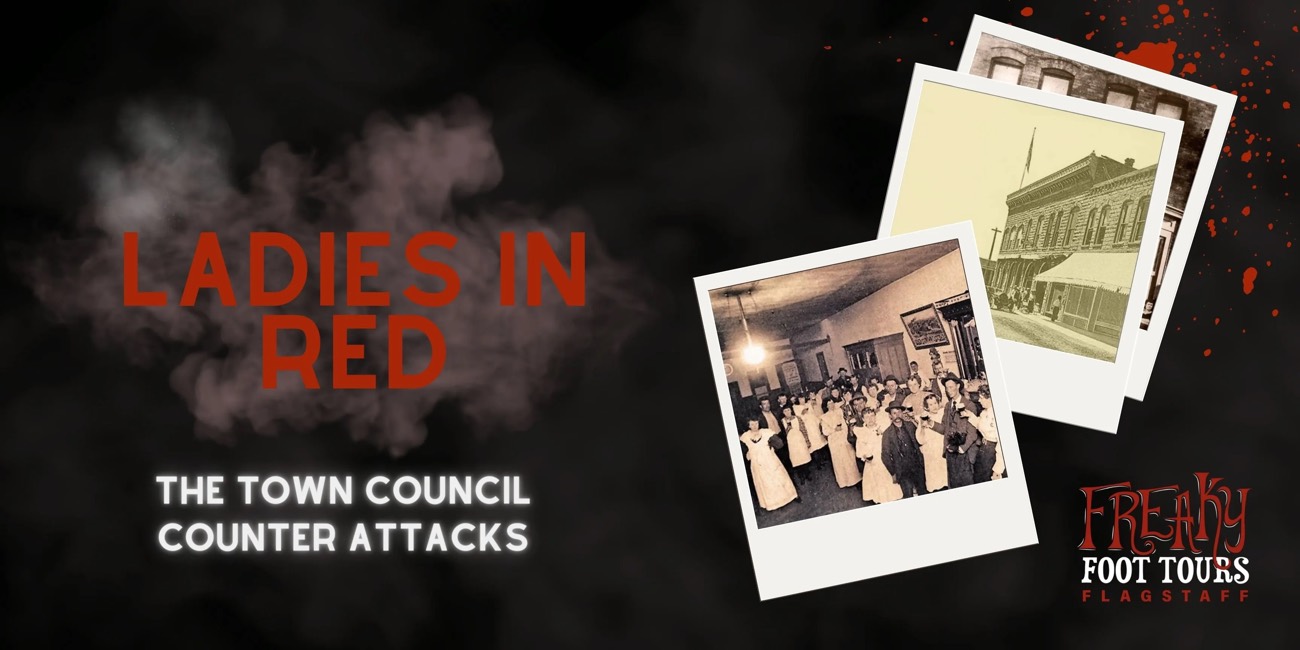
Soiled doves. Bawdy houses. Painted women. The colorful, condemning terms all point to the same trade, and like towns across the country, Flagstaff has a storied past with the world's oldest profession. What makes Flagstaff's version worth telling is the paper trail: taxes, ordinances, and a group of working women who out-negotiated the town council.
Where was Flagstaff's red-light district?
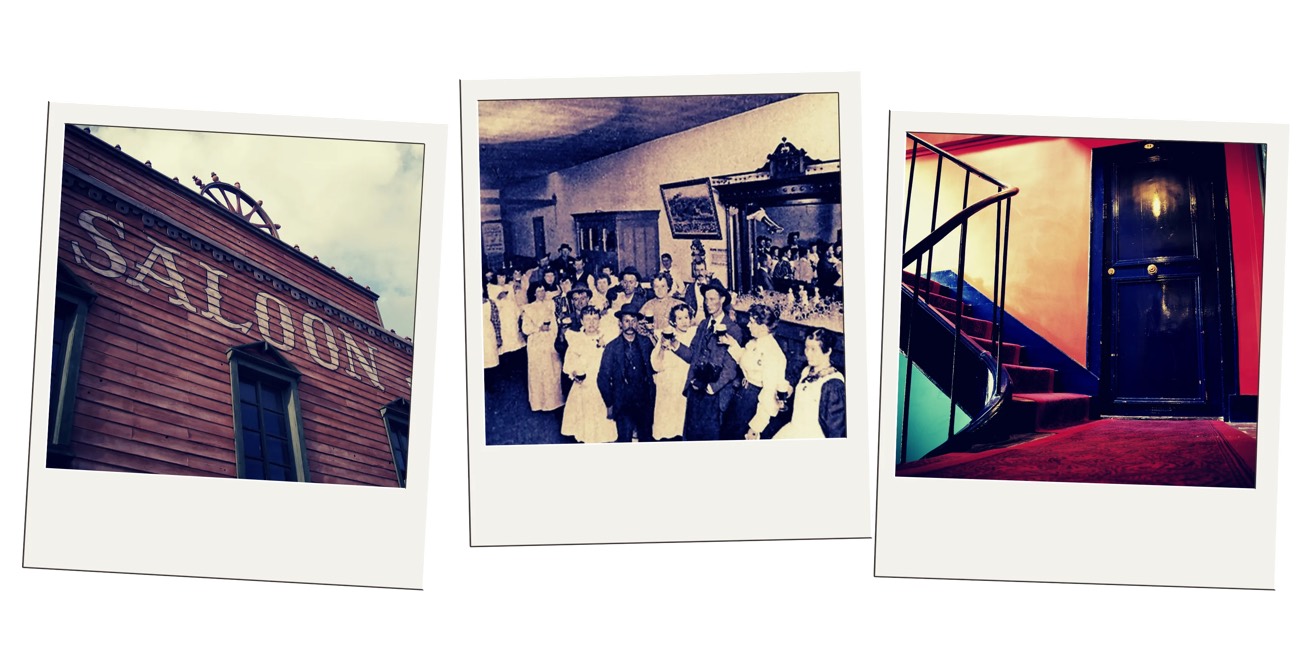
South of the railroad tracks, in the neighborhood now called the Southside. In the 1880s the trade kept mostly to that side of town, in houses of ill repute (calling them brothels would be a stretch) and among women who walked the streets near the depot. As Flagstaff moved toward incorporation in 1894, a more righteous citizenry emerged, driven largely by church groups who also had it in for the saloons and gambling halls, and the trade came under the supervisors' microscope.
Taxing sin, and losing the negotiation
Platt Cline's book Mountain Town details the town's starts and stops as it began leveling fees: 15 dollars a quarter for saloons, 15 dollars a month for houses of prostitution. Most businesses ignored the taxes at first, and the saloon owners escalated to threats of taking their trade elsewhere before grudgingly paying up. The ladies in red played a better hand. When they threatened to pack up for Williams, the council reassessed and lowered the women's taxes considerably. A win-win for nearly everyone, except the more militant churchgoers, who sat back and bided their time.
Ordinance Ten strikes back
In 1895 the reformers got their law. The town council passed Ordinance Ten, a far-reaching ban covering everything from profane language to opium to women entering saloons, except to pass through to an eating establishment. One clause targeted women singing in taverns. In the old West's world of prostitution there were categories, and singers and dancers earned a commission on every drink sold to the men they kept at the bar. The initial tax on saloon owners who featured singers was steep, and though it was later reduced, the message was plain: anyone keeping a man parked on a bar stool faced harsh penalties.
What the district left behind
The ordinances eventually won, but the Southside kept its memory, and by some accounts its residents. Bar staff and neighbors south of the tracks still report strange activity, which we round up in More Hauntings from the Season. The ladies in red also have a ghostly counterpart on the other end of the color wheel; see Ladies in White for why that figure shows up in nearly every town, including this one.
Walk this story
The soiled doves are part of the ground we cover on the Flagstaff Haunted History Tour, 75 minutes through downtown, nightly at 7 PM plus 8 PM Fridays and Saturdays, $29 for adults. Want the Southside itself, tracks and all? We walk that district for private group bookings; contact us to set one up.
Keep reading
Boo.