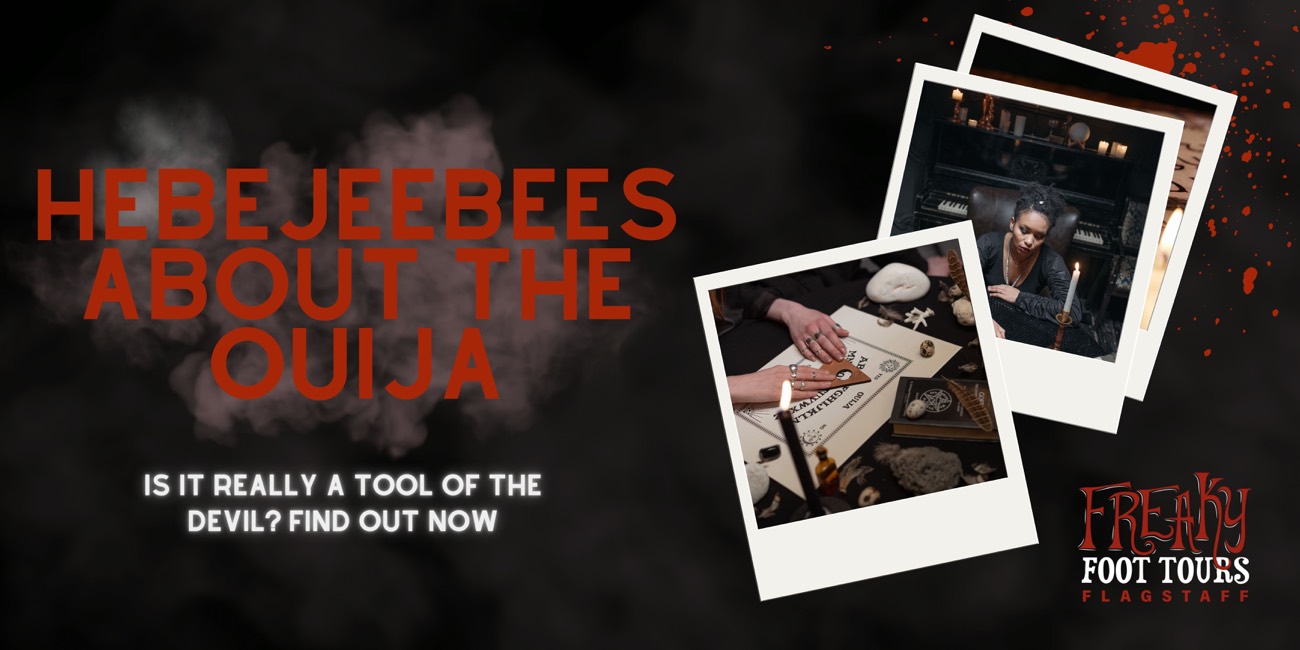
I recently came back from a trip east to visit family, and the route led me right past Alton, Illinois. If you are a die-hard ghost hunter from the Midwest, you probably know the name Troy Taylor. Taylor was into ghost hunting long before it was trendy, has written over 100 books on hauntings and the unexplained, and founded the Haunted America Conference, which takes place right there in Alton. I took the detour and walked through the museum he and his group have set up in an old hotel near the river. It was full of the macabre and not at all what I expected. And, for the second time in three days, I came across a reviled relic from my childhood: an Ouija board.
Two boards in three days
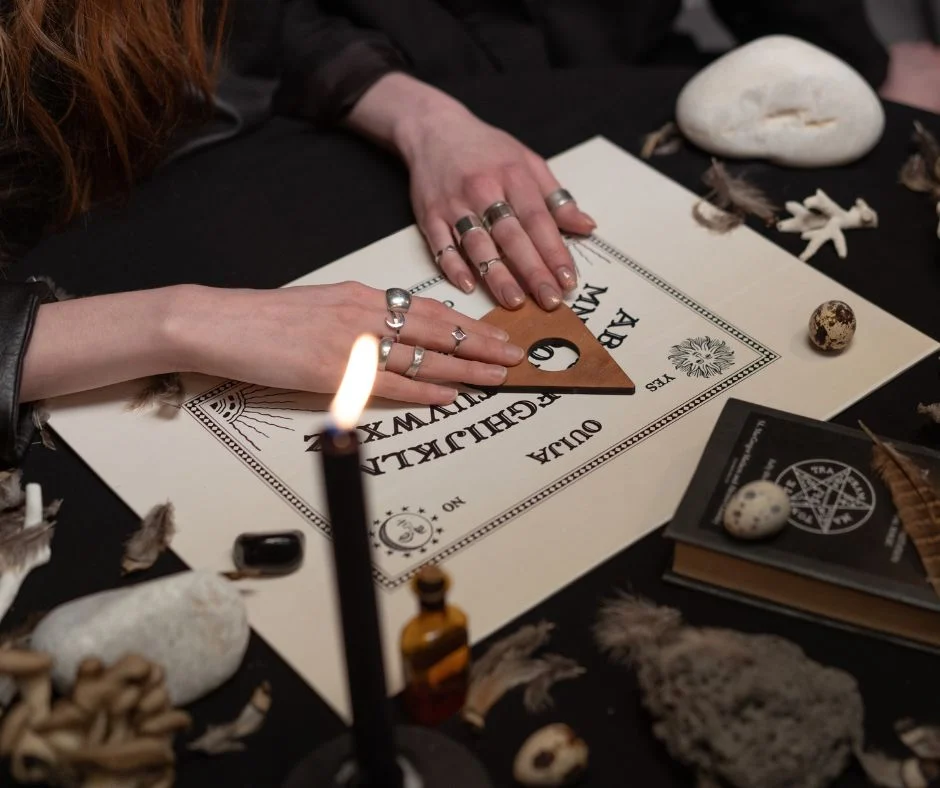
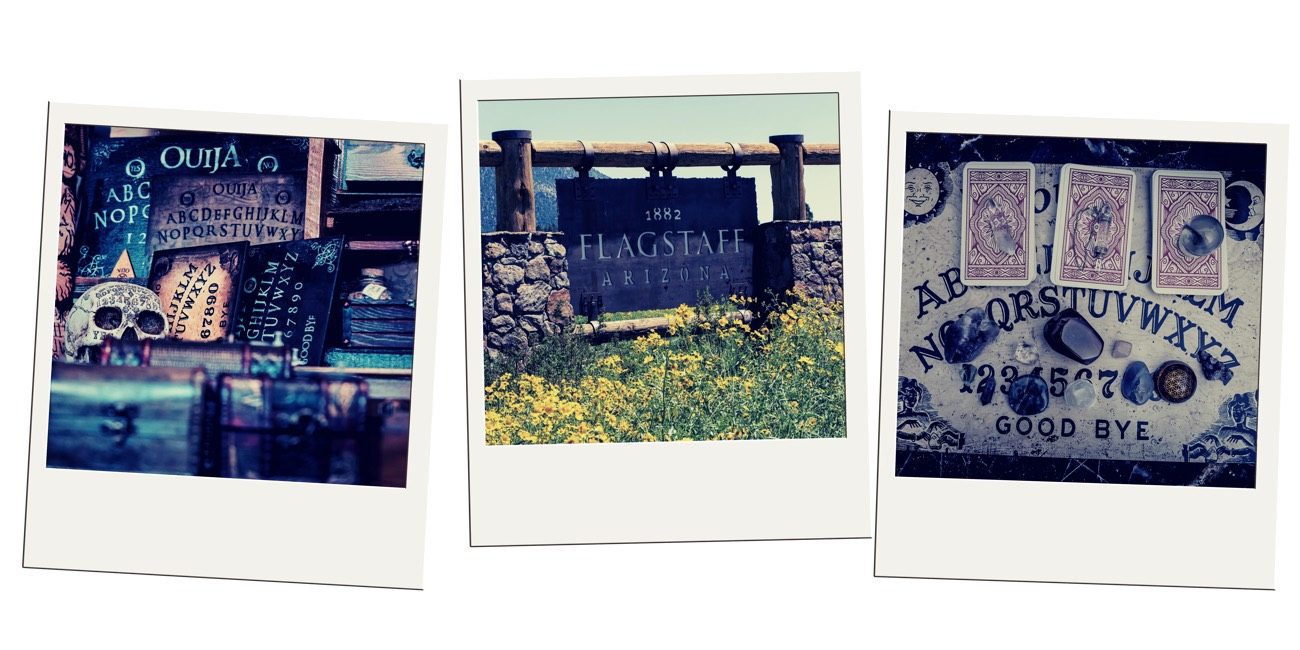
The Ouija might be making a comeback, if my short trip is any indication. A board was set up inside Taylor's Soul Asylum museum, available to anyone who dared lay fingers on the planchette. I was touring alone, and while there were a few other visitors, I did not feel comfortable asking a stranger to join me in a little divination. The odd part: this was my second encounter of the trip with a board I had last seen four decades ago. My brother and I had just been on a ghost hunt at the Lemp Mansion, and somewhere on the second floor sat a Ouija board, quiet on a table, open to any brave soul's exploration. I tried half-heartedly to talk my brother into using it with me, but he was not interested. I did put my fingers on the planchette and moved it gently about. No electricity, no ghosts, nothing unusual.
Where the board actually came from
For all its horror-movie reputation, the board began as a business venture. As the story is usually told, it grew out of the talking-board craze of late-1800s spiritualism, was patented in 1891, and sold in shops as a family parlor game for decades before the movies gave it a darker resume. Skeptics credit the wandering planchette to the ideomotor effect, the tiny unconscious muscle movements we all make without noticing. Believers have their own explanation, and the board itself, as always, is not saying.
So should you be scared of it?
As someone with a healthy respect for spirits and the paranormal, I am not belittling stories of dark energies funneling through an instrument, be it a Ouija board, Tarot cards, or a magic wand. I do think we can create superstitions by blaming mishaps and poor choices on something outside ourselves. That said, the spirits I know best are the ones we describe on our Freaky Foot Tours, and for the most part they are happy and historic, though occasionally prone to mischief-making.
Questions people ask
Is the Ouija board actually old?
Older than most of its users guess. The name and the patent date to the early 1890s, and talking boards like it circulated in spiritualist parlors before that. For most of its life it was sold as a game, not a ritual.
What moves the planchette?
The standard scientific answer is the ideomotor effect: small, unconscious muscle movements from the people touching it. The other answer is the one people take the board out for. When I tried one at the Lemp Mansion, I got neither.
Do Freaky Foot Tours use Ouija boards?
No. Our walks are history-first storytelling on the sidewalks where the stories happened, no seance required. You bring the questions; our guides bring the research.
Where can you try a Ouija board?
On my trip, two places had boards set out for visitors: Troy Taylor's Soul Asylum museum in Alton, Illinois, and the second floor of the Lemp Mansion. Whether you put your fingers on the planchette is between you and the board.
Make up your own mind
If you would rather meet your spirits outdoors, join us some evening and draw your own conclusions. The Flagstaff Haunted History Tour runs nightly at 7 PM, with a second 8 PM departure Fridays and Saturdays, $29 for adults and 75 minutes through historic downtown. No boards, no props, just the stories and the buildings they belong to.
Boo.