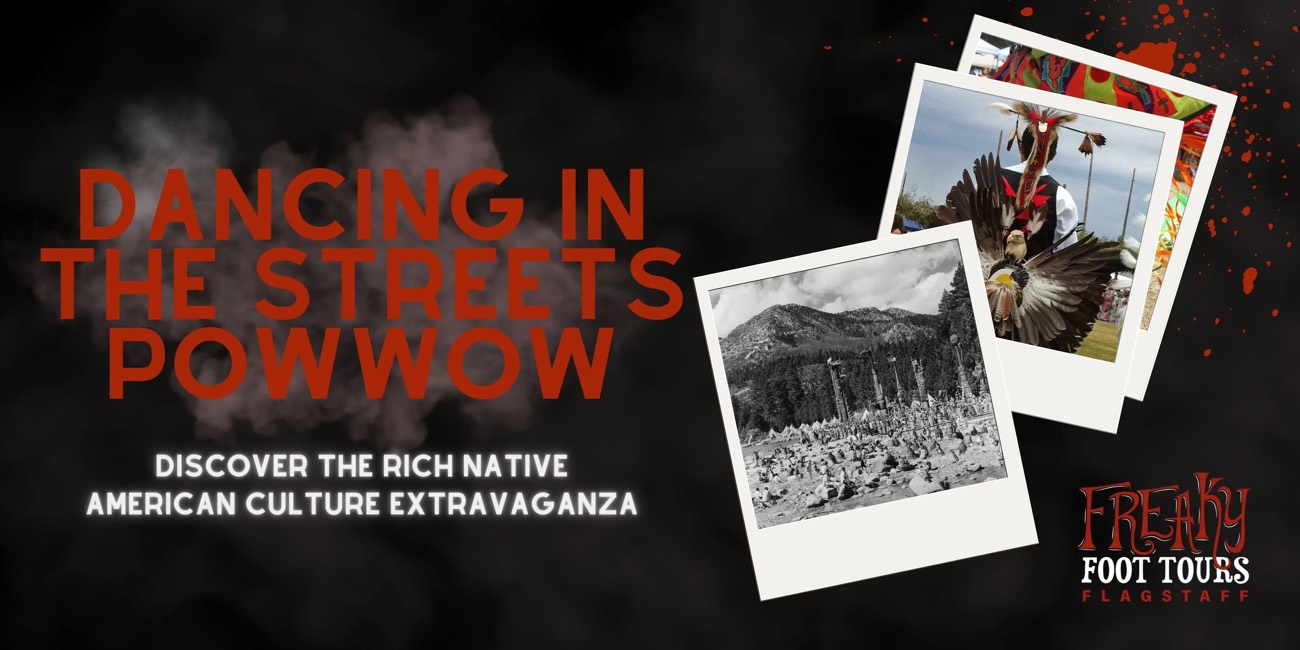
For roughly fifty summers, the biggest weekend in Flagstaff belonged to the Southwestern All-Indian Pow Wow. Staged over the Fourth of July, it filled the streets with dancers, riders, and visitors from across the region before it ended in 1980. Ask longtime residents about old Flagstaff, and this is the event they reach for first.
Co-founder Susan Johnson has written two books on Flagstaff's past for The History Press, The Walkup Family Murders and Haunted Flagstaff, and she is careful to note in both that she writes the Anglicized version of the town's beginnings. Like all of the Southwest, this land is rich in Native American culture that long predates the railroad, and she does not claim to be the person to write the tribes' own histories. What her research in the Coconino Sun archives and the personal accounts at the public library made unmistakable is how central Native culture was to Flagstaff in the early 1900s.
What was the Southwestern All-Indian Pow Wow?
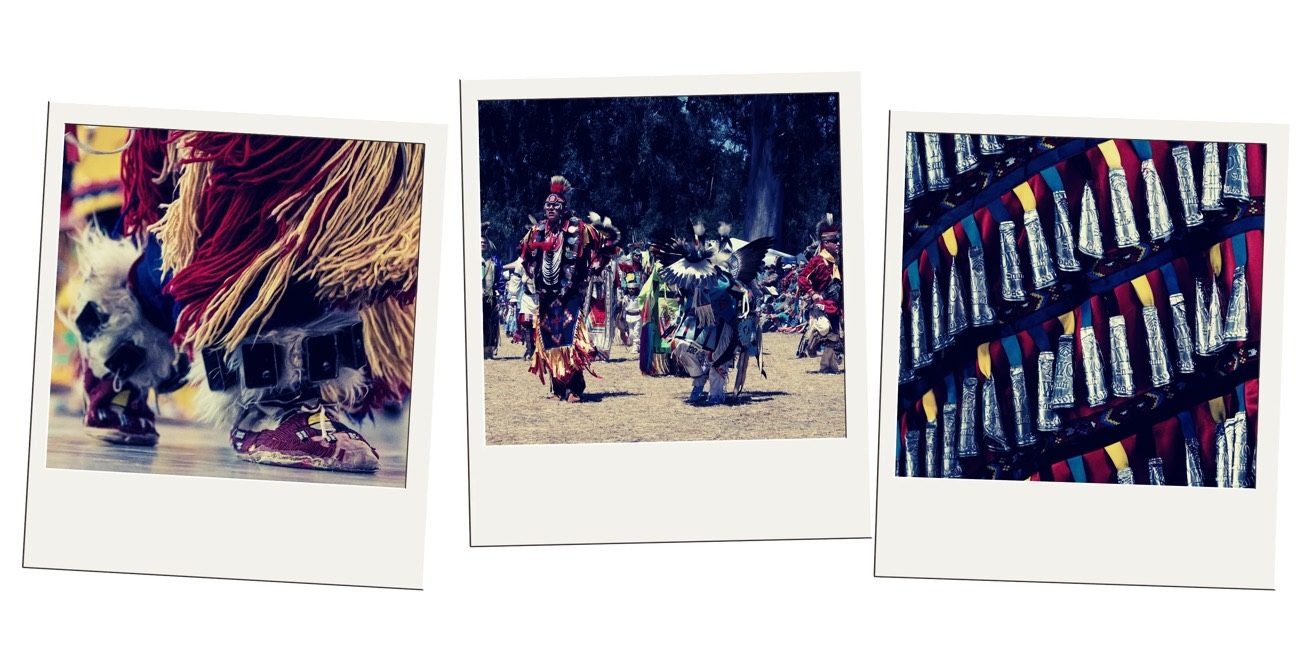
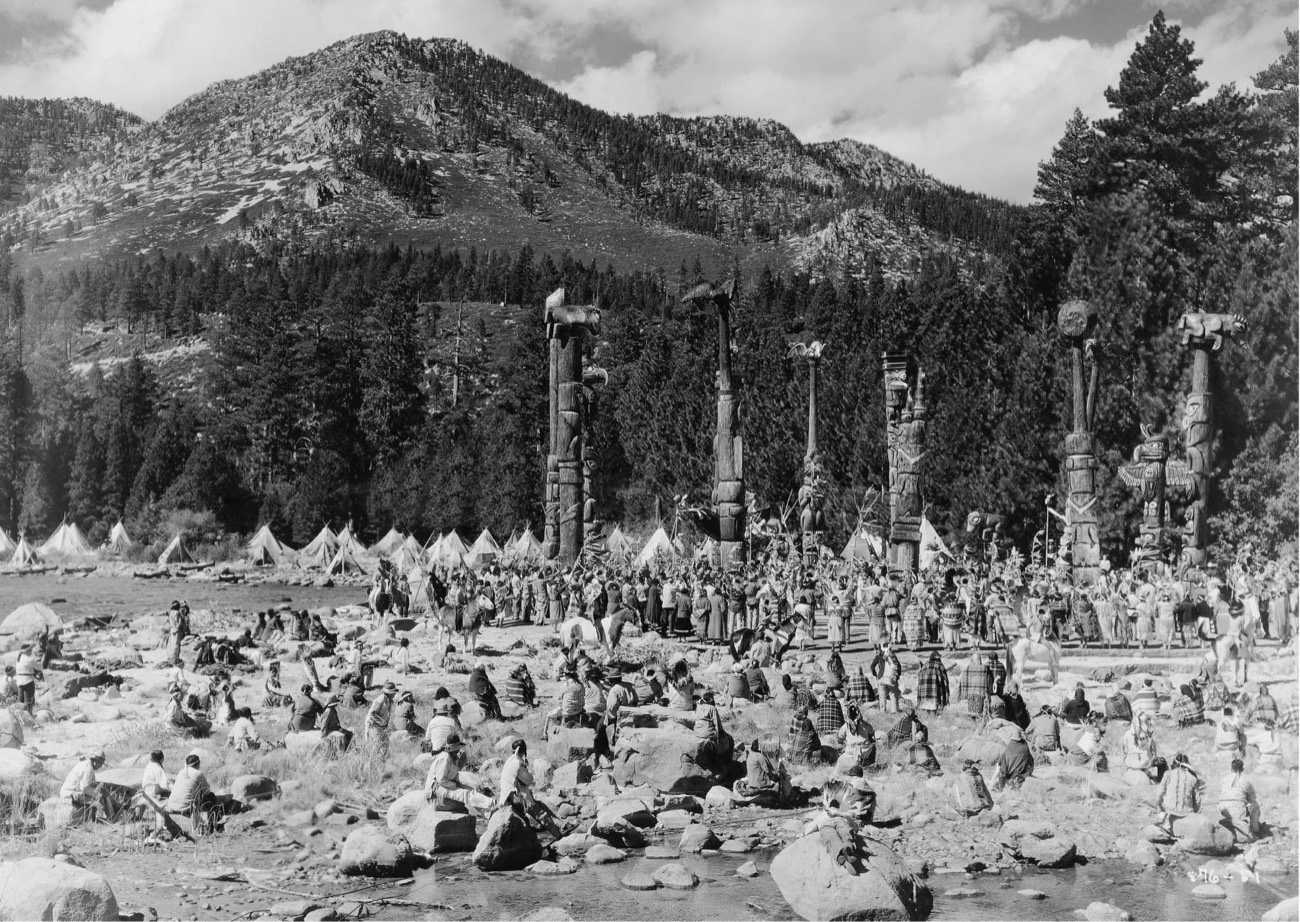
It was an annual gathering held in Flagstaff over the Fourth of July weekend for some fifty years, ending in 1980. Some sources say the Powwow grew as a way of preserving Native American culture, especially dance, and dancing was a huge part of the festivities. It was far from all of it. The weekend also held rodeo, wild cow-milking, beauty contests, horse racing, and more. Old-timers said the arrival of the tribes was an event in itself: Apaches on horseback, Navajos in wagons. You will see the name written both as Powwow and Pow Wow; the sources never settled on one spelling either.
Where can you learn more about the Powwow?
Start at NAU's Cline Library. Its Special Collections holds boxes of Powwow correspondence and photographs, mostly from the 1940s and 50s, and the librarians there and at the downtown public library are glad to share what they have compiled on Flagstaff's past. Reading the old pamphlets and event lists, it is easy to wish you could have seen it even once. For more of the town in that era, try our post on 20th century Flagstaff or test yourself with Do You Know Flagstaff.
Where the story continues
Native artists still shape how Flagstaff looks today. Cory Begay's mural To Bee Iina is one of the works we visit on the Flagstaff Mural Art Tour, a $29 daytime walk through the city's public art, with every story researched and verified. It is a different kind of gathering, but the streets still carry the culture.